Introduction
Jewellery inventory management is fundamentally different from managing conventional retail products. A jewellery showroom may hold thousands of individual rings, necklaces, bangles, earrings, pendants, bracelets and other high-value items. Each piece may have its own SKU, weight, purity, design, price, certificate information and, in India, potentially a Hallmark Unique Identification (HUID) association.
At the same time, jewellery frequently moves between the vault, display counters, trays, billing desks, workshops, warehouses and different stores.
Traditional barcode-based inventory processes require employees to locate and scan individual items. This can make stock counting time-consuming and increases the possibility of missed or incorrectly recorded items.
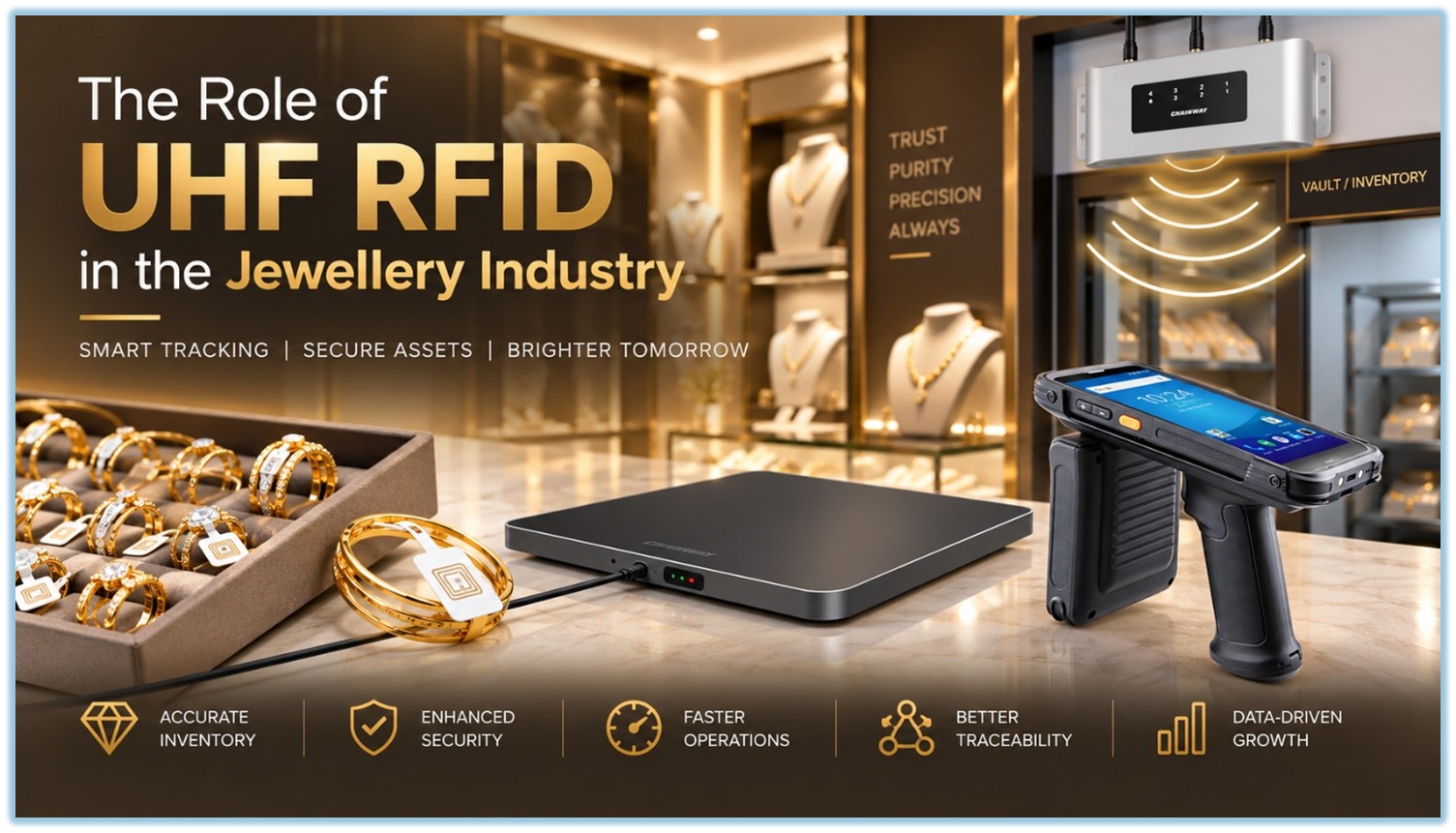
This is where UHF RFID (Ultra-High Frequency Radio Frequency Identification) is becoming increasingly relevant.
Unlike a barcode, UHF RFID can identify multiple tagged items without requiring direct line-of-sight scanning. RAIN RFID solutions are already being used in fine and fashion jewellery applications to improve inventory visibility, reconciliation and loss prevention. (Impinj)
The real opportunity, however, is not simply replacing barcodes with RFID. It is creating a digitally connected jewellery inventory ecosystem in which every piece can be identified, located, verified and tracked throughout its lifecycle.
What Is UHF RFID?
UHF RFID uses radio frequency communication to identify objects fitted with RFID tags.
A typical jewellery RFID system consists of:
RFID Tag → RFID Reader → Antenna → RFID Middleware/Software → ERP/POS/Jewellery Management System
Each jewellery piece is assigned a unique RFID identity. The RFID software can associate that identity with information such as:
- Product/SKU number
- Jewellery type
- Weight
- Purity
- Design number
- Price
- HUID or hallmark-related information
- Certificate details
- Store location
- Tray/display location
- Inventory status
- Movement history
The reader detects the RFID tag and transfers the information to the inventory system.
The major advantage is that multiple items can be identified during one reading operation, rather than scanning each barcode individually.
Why Is RFID Particularly Valuable for Jewellery?
Jewellery has three characteristics that make inventory visibility especially important:
1. High value per item
Losing even one jewellery piece can represent a significant financial loss.
2. Large number of individual SKUs
Two visually similar rings or earrings may have completely different weights, designs, stones, prices or product codes.
3. Frequent movement
Items constantly move between:
Vault → Display Tray → Salesperson → Customer Try-on → Billing → Packaging → Store/Warehouse
Without an automated tracking system, maintaining an accurate history of these movements can be difficult.
RFID can provide a digital identity for every piece and help connect these physical movements with the inventory database.
Major Applications of UHF RFID in Jewellery Management
1. Faster Stock Auditing
This is currently one of the strongest applications of UHF RFID in jewellery.
Instead of manually scanning hundreds of products, an employee can use a handheld reader to scan a tray or display area.
The system can compare:
Expected Inventory vs. RFID-Detected Inventory
and identify:
- Items present
- Items missing
- Items located in the wrong tray
- Items assigned to another store
- Unexpected items
- Items requiring physical verification
Industry implementations demonstrate the use of RFID for rapid jewellery stock counting and reconciliation.
2. Daily Opening and Closing Audits
Jewellery retailers often need strong inventory control at the beginning and end of each business day.
With RFID, employees can perform a quick scan of:
- Display trays
- Counters
- Vaults
- Back-office inventory
- Safe rooms
- Packaging areas
This makes frequent inventory verification more practical.
The benefit is not simply faster counting. More frequent counting can help identify discrepancies earlier, reducing the time between an inventory problem occurring and being discovered.
3. Vault-to-Showroom Tracking
Jewellery frequently moves between secured storage and customer-facing areas.
RFID readers can be positioned at strategic movement points to record when tagged items move between locations.
For example:
Vault → Showroom → Counter 3 → Customer Trial → Counter 3 → Vault
The system can create an electronic movement history for each item.
4. Jewellery Tray Management
Jewellery trays can become important inventory locations in an RFID-enabled showroom.
A tray can be digitally associated with a location such as:
Store A → Ground Floor → Counter 4 → Tray 12
When RFID identifies the pieces in that tray, the software can compare the physical contents against the expected inventory.
This creates a much more structured approach to display management.
5. Item Search and Location
Another valuable application is finding a particular jewellery item.
Suppose a customer requests a specific ring.
Instead of checking multiple trays manually, an employee can search the inventory system for the item's RFID identity and then use a handheld reader to locate it.
This can be particularly useful in large showrooms and warehouses.
6. Loss Prevention
RFID can also support jewellery security.
Fixed or portal readers can be positioned around controlled movement areas, such as:
- Vault entrances
- Showroom entrances
- Back-office areas
- Stock receiving areas
- Transfer points
If an RFID-tagged item moves through a monitored zone without the expected transaction or authorization, the system can generate an alert.
However, RFID should be viewed as one component of a broader security architecture, rather than a replacement for CCTV, access control or other security systems.
Different Types of UHF RFID Readers for Jewellery
Choosing the correct RFID reader is extremely important.
There is no single "best" RFID reader for every jewellery application. The ideal reader depends on whether the objective is stock counting, billing, item identification, movement tracking or automated monitoring.
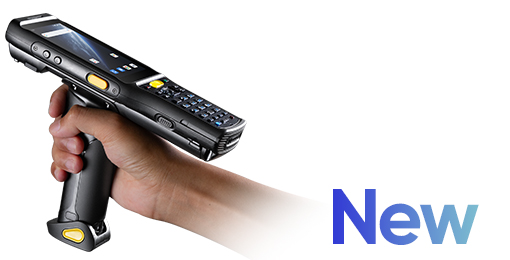
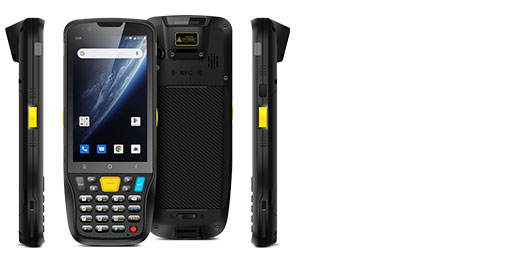
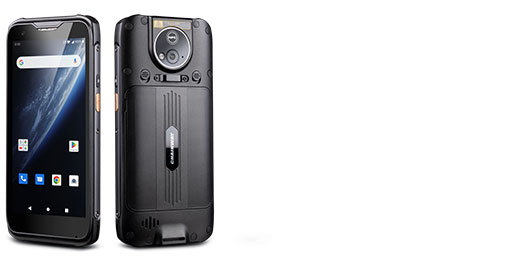
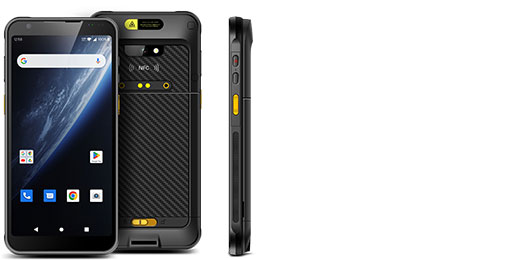
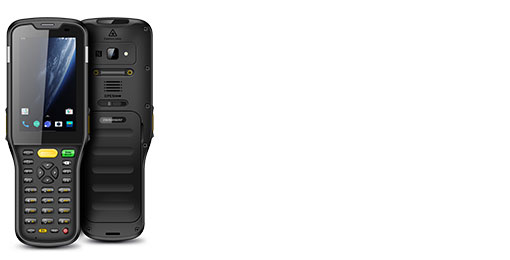
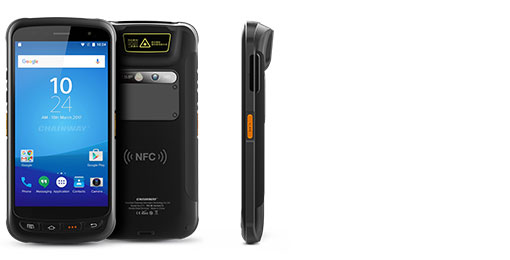
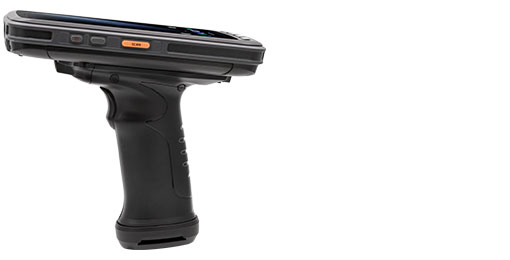
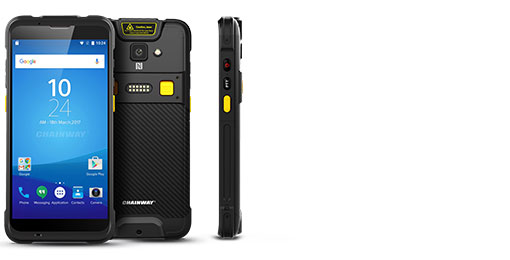
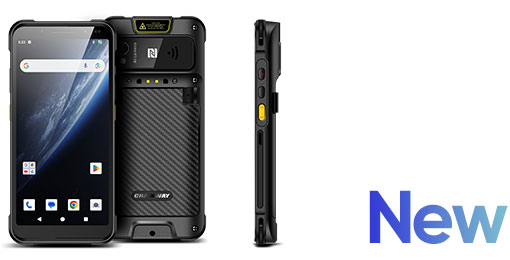
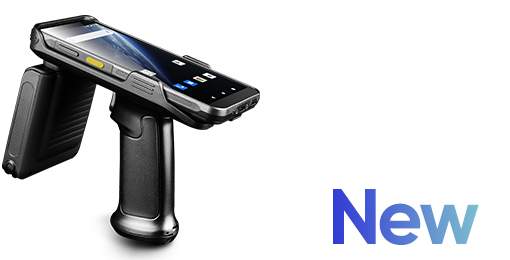
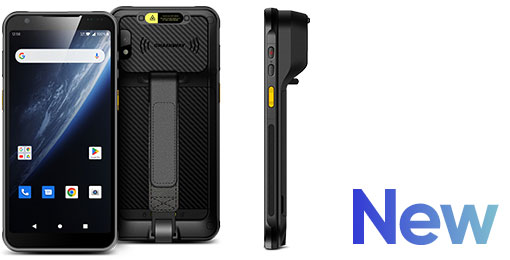
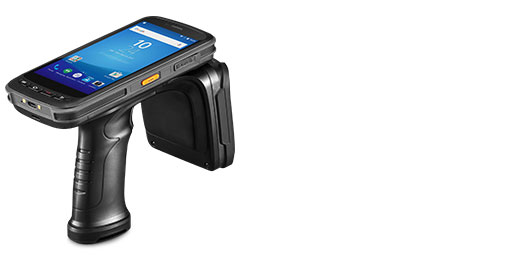
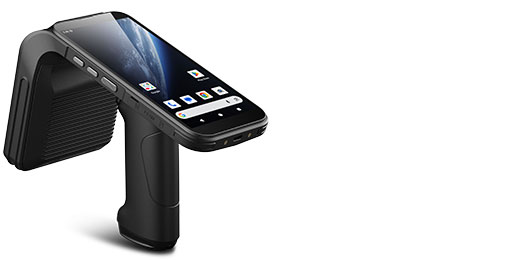
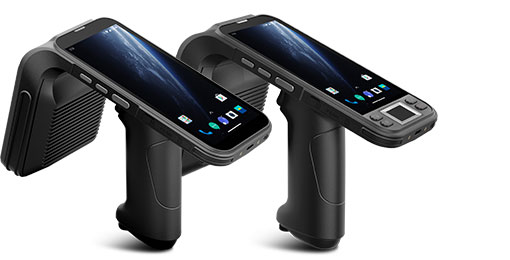
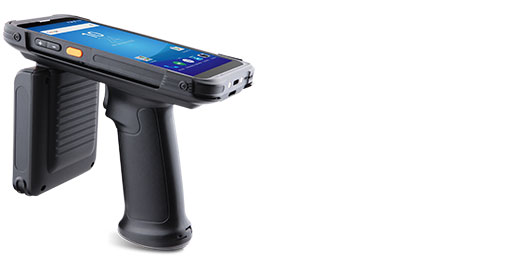
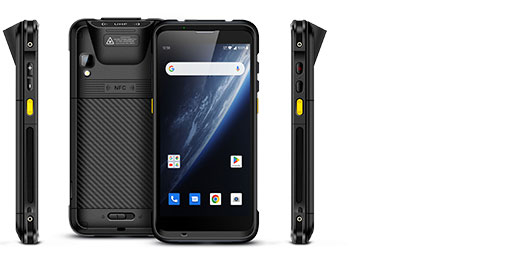
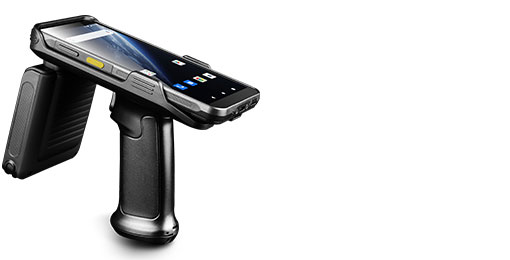
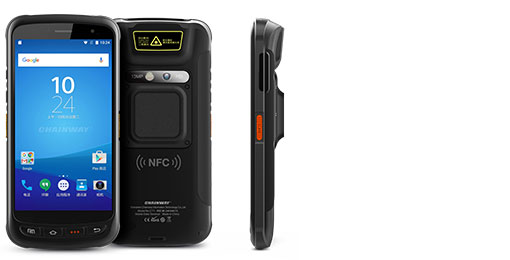
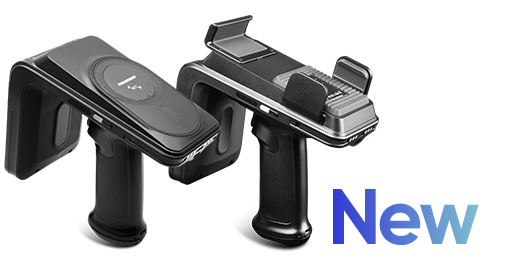
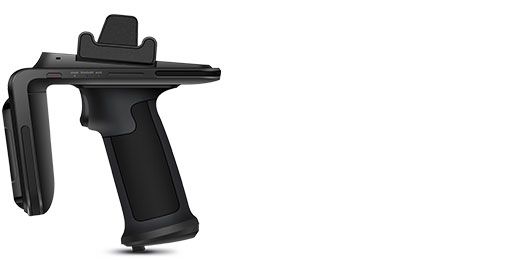
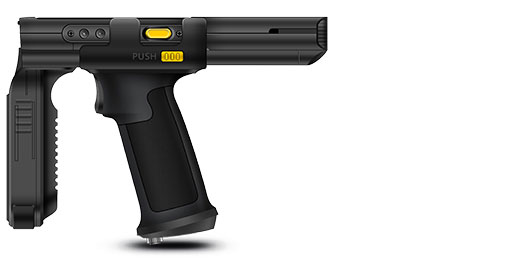
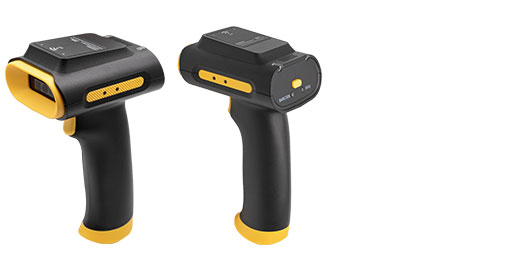
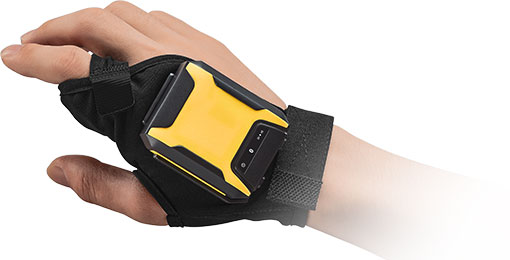
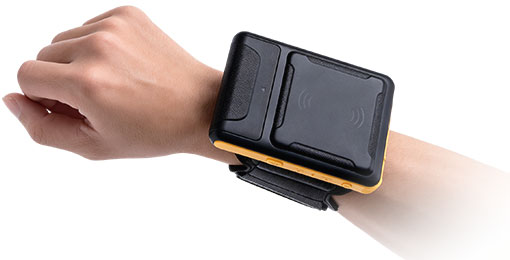
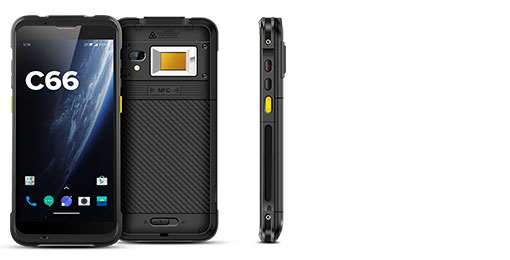
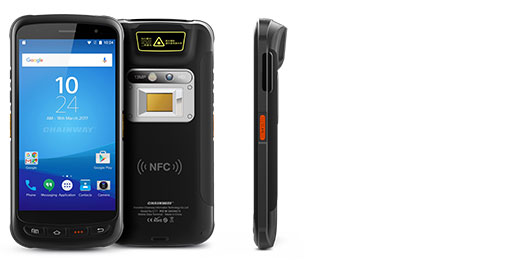
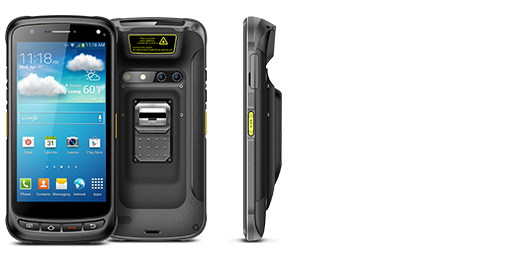
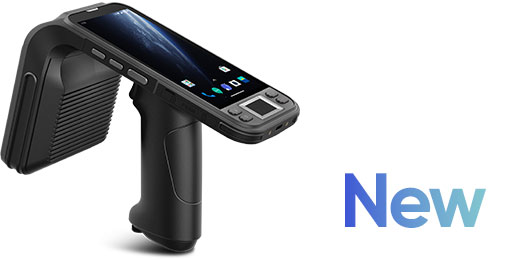
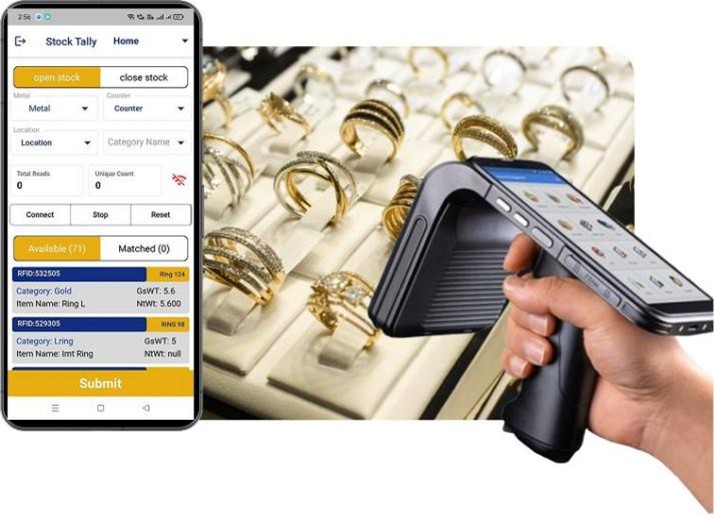
1. Handheld UHF RFID Readers
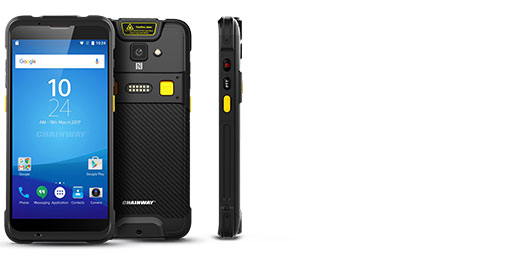
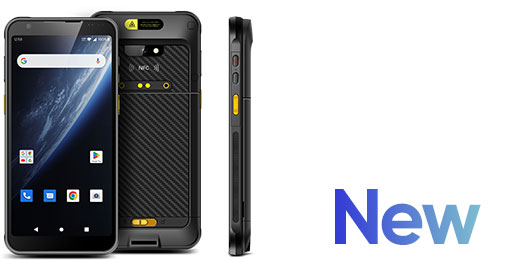
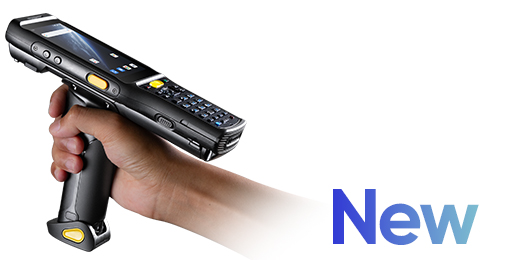
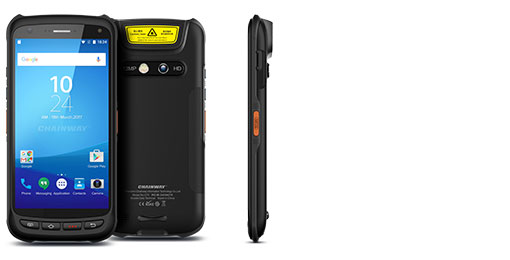
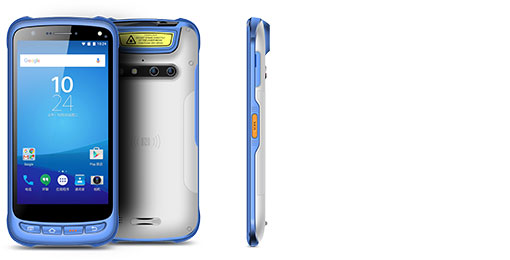
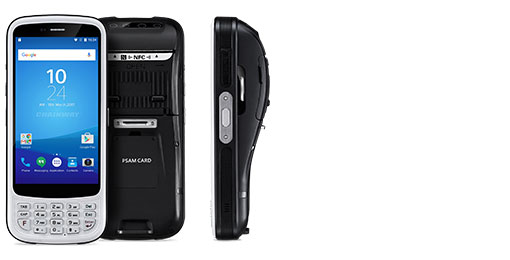
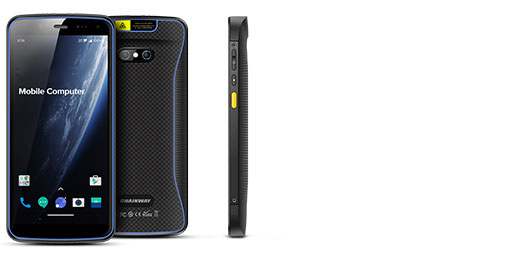
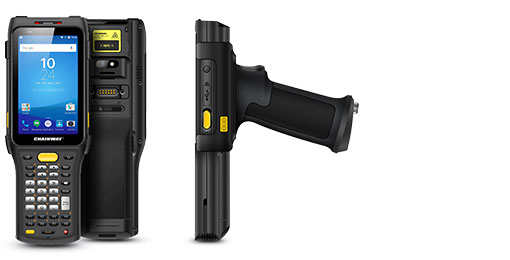
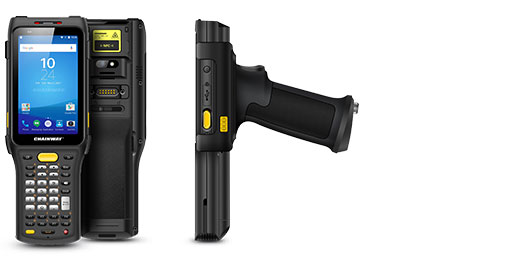
A handheld RFID reader is arguably the most flexible reader for jewellery inventory management.
It generally combines:
- RFID reader
- RFID antenna
- Mobile computer/display
- Battery
- Software/application
Best applications
- Daily stock audits
- Tray counting
- Vault inventory
- Item searching
- Physical inventory verification
- Stock transfers
- Warehouse counting
- Exception checking
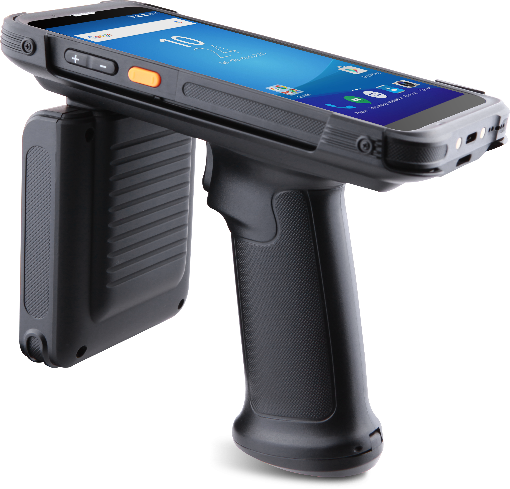
The employee can move around the showroom and scan different locations.
For example:
Open tray → scan → identify missing items → search for missing item → verify location
Check the complete range of Handheld readers Here- https://shorturl.at/Z3l1W
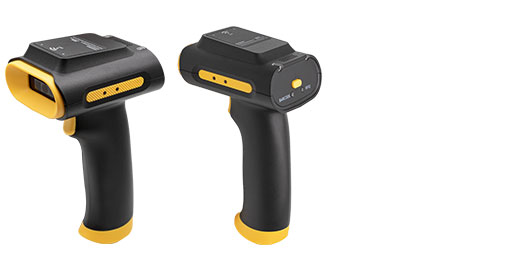
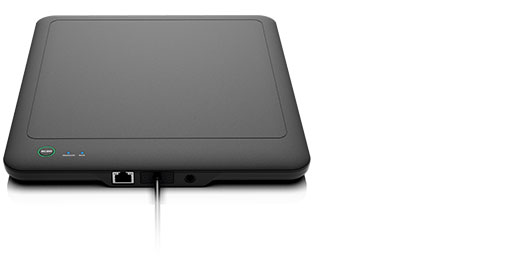
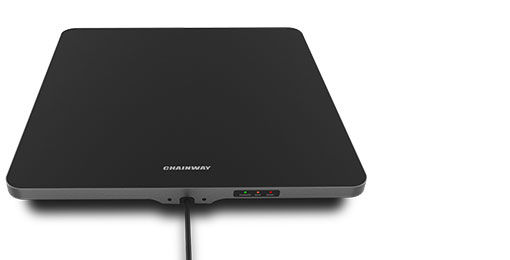
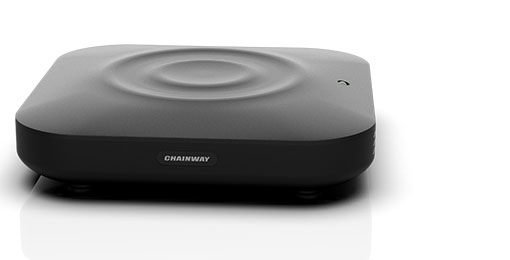
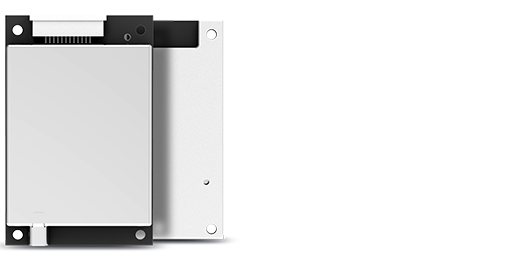
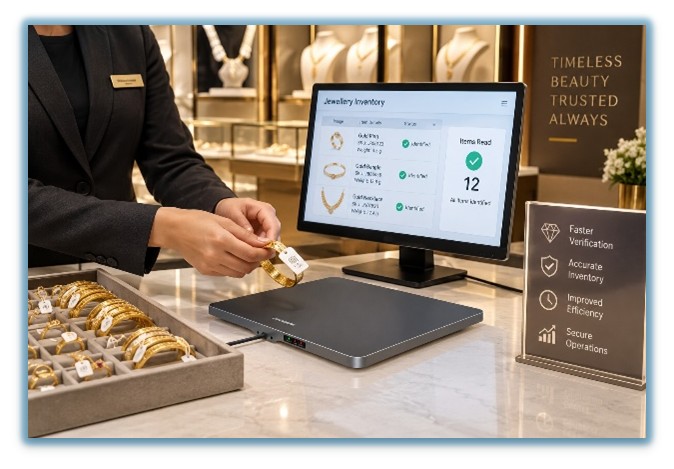
2. Desktop/Countertop UHF RFID Readers
A desktop RFID reader is designed for controlled, close-range reading.
It can be placed at:
- Billing counters
- Stock receiving desks
- Back-office workstations
- Jewellery verification counters
- Packing stations
- Inventory desks
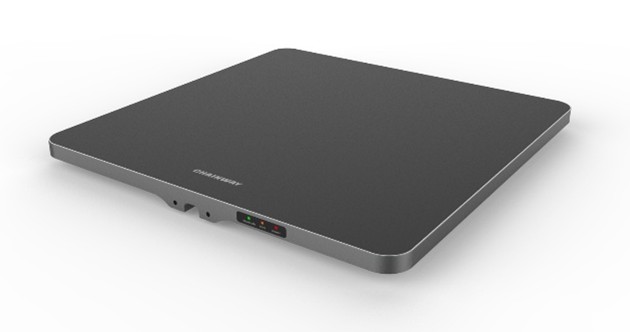
An employee can place a jewellery item, tray or small group of products within the reader's designated reading area.
One advantage of a controlled desktop reading environment is that it can reduce unwanted reads from nearby products.
This is particularly important in jewellery because read-zone control matters as much as read distance.
Check the complete range of Desktop readers Here- https://shorturl.at/Z3l1W
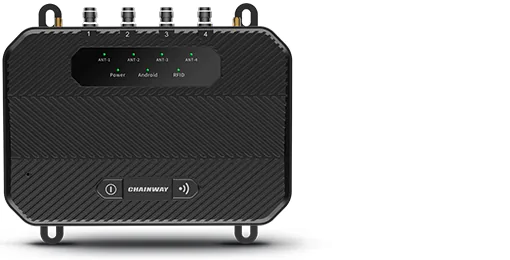
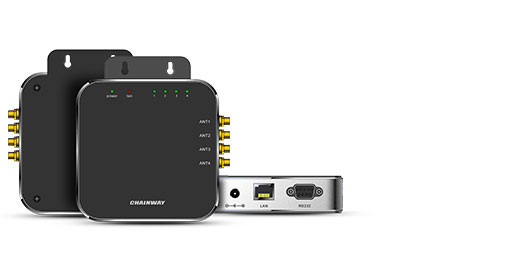
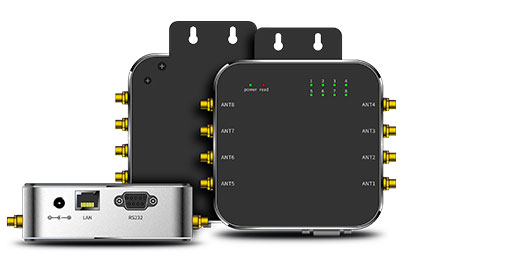
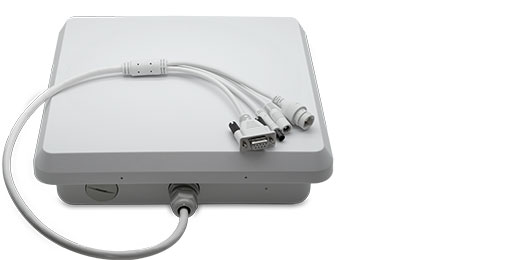
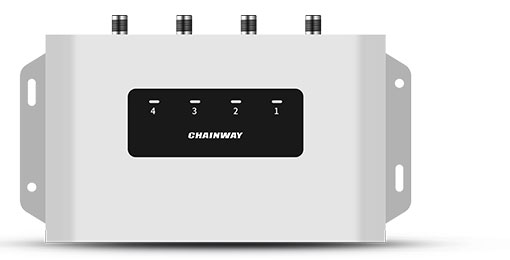
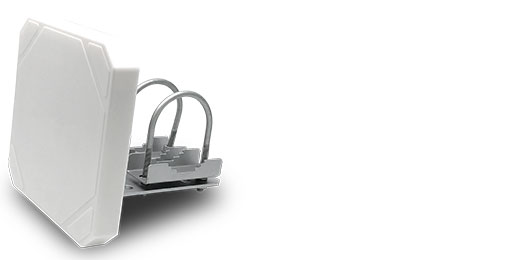
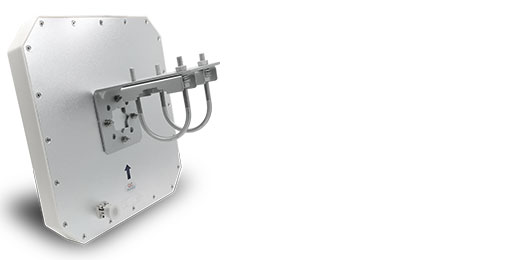
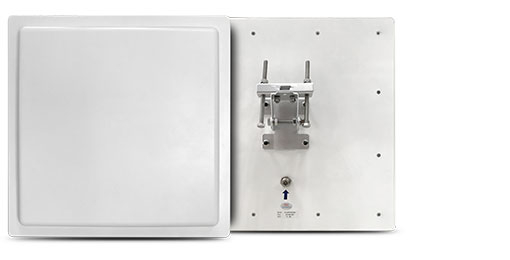
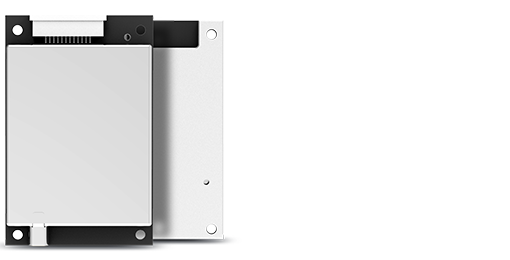
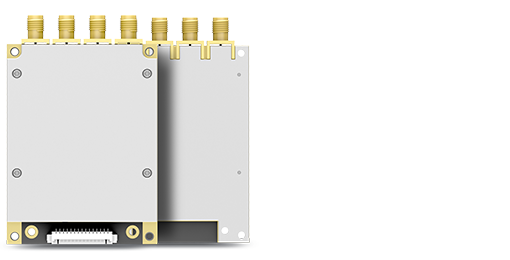
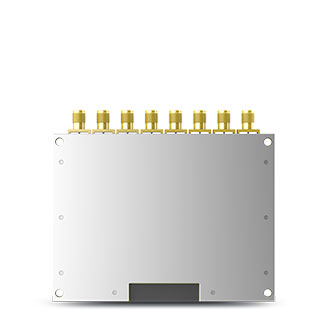
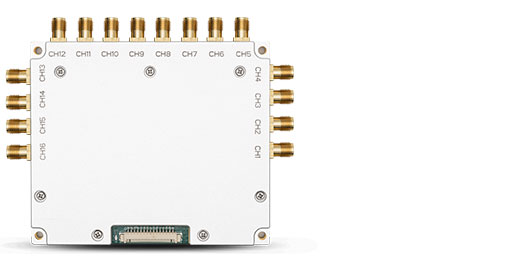
3. Fixed UHF RFID Readers
Fixed RFID readers are installed permanently at specific locations.
They can be connected to one or more antennas and continuously monitor a defined reading zone.
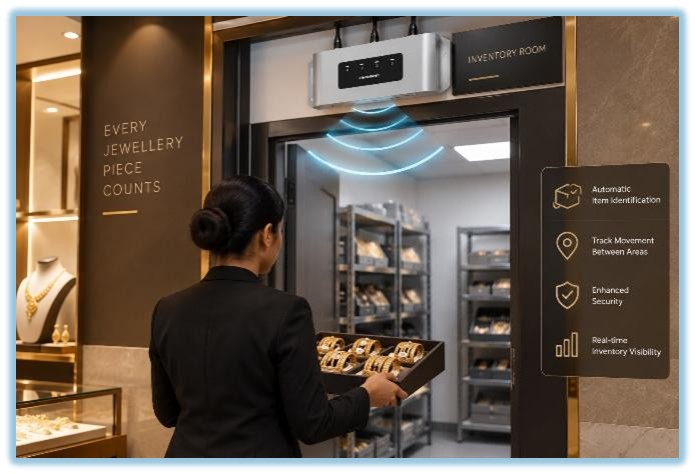
Possible jewellery applications
- Vault entrances
- Stock rooms
- Store entrances
- Receiving areas
- Transfer points
- Smart cabinets
- Display areas
The major advantage is automation.
Instead of an employee initiating a scan, the system can automatically detect tagged items entering or leaving a defined area.
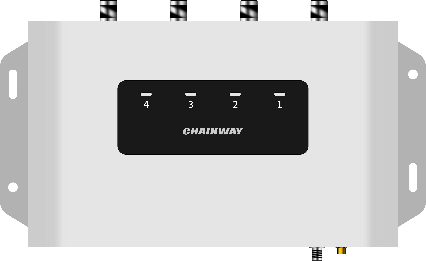
Check the complete range of Fixed RFID readers Here- https://shorturl.at/mZ6Ku
4. Portal/Gate RFID Readers
Portal readers use multiple antennas around a controlled passageway.
For jewellery businesses, they can be used to monitor movement between:
Vault ↔ Showroom
or:
Warehouse ↔ Dispatch Area
or:
Receiving ↔ Stock Room
When tagged products pass through the portal, the system can record the movement.
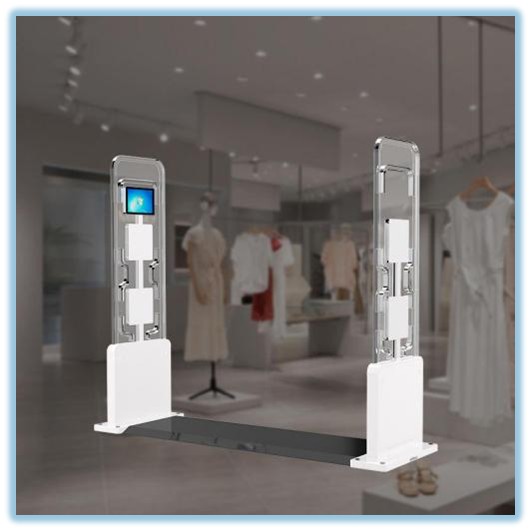
This can create an automated chain of custody for high-value inventory.
5. RFID Readers Integrated with Smart Trays or Cabinets
This is an especially interesting area for jewellery retail.
RFID technology can be integrated into:
- Jewellery trays
- Display cabinets
- Smart drawers
- Storage cabinets
- Safes
A smart tray can potentially detect which RFID-tagged pieces are inside it.
This opens the door to more automated inventory management.
Instead of:
Employee → Scan Tray → Upload Data
the future model can become:
Smart Tray → Automatically Detect Items → Software → Real-Time Inventory
Industry RFID solutions are already exploring tray and doorway-based architectures for jewellery management.
Which RFID Reader Should a Jewellery Business Choose?
|
Reader Type
|
Primary Use
|
Mobility
|
Automation
|
Ideal Application
|
|
Handheld UHF Reader
|
Stock counting
|
High
|
Medium
|
Daily audits, item search
|
|
Desktop UHF Reader
|
Controlled reading
|
Low
|
Medium
|
Billing, receiving, verification
|
|
Fixed UHF Reader
|
Continuous monitoring
|
None
|
High
|
Cabinets, zones, stock rooms
|
|
Portal/Gate Reader
|
Movement tracking
|
None
|
Very High
|
Vault/showroom movement
|
|
Smart Tray Reader
|
Tray-level monitoring
|
None
|
Very High
|
Display and automated inventory
|
A practical jewellery RFID deployment
For many jewellery businesses, the most effective approach may not be choosing only one reader.
A hybrid architecture can be more useful:
Handheld Reader + Desktop Reader + Fixed/Portal Readers
For example:
- Handheld: daily inventory audit
- Desktop: billing and item verification
- Fixed: controlled-area monitoring
- Portal: vault/showroom movement
- Smart tray: future automated monitoring
The Biggest Technical Challenge: Jewellery Is Metal
One of the most important considerations when implementing UHF RFID for jewellery is the material itself.
Gold, silver, platinum and other metals can affect UHF RFID performance because they interact with radio-frequency signals.
Therefore, simply taking a standard UHF RFID label and attaching it directly to a metal jewellery item may result in poor or inconsistent performance.
The tag antenna design, placement, orientation, distance from metal and surrounding environment are critical.
Specialized jewellery tags therefore commonly use designs such as:
- Loop tags
- Flag tags
- Rat-tail tags
- Small jewellery labels
- Micro RFID tags
- On-metal RFID tags for suitable applications
The important principle is:
RFID performance depends on the complete tag + jewellery + reader + environment combination, not just the RFID chip.
Specialized jewellery RFID designs are increasingly focused on maintaining readability while keeping the tag small and unobtrusive.
UHF RFID and HUID: An Important Opportunity in India
For the Indian jewellery market, another important development is the relationship between RFID and HUID.
The HUID is a unique identification code associated with hallmarked jewellery. RFID does not replace the HUID. Instead, RFID can potentially provide a digital machine-readable identity linked to the jewellery record, while HUID remains part of the item's hallmarking information.
For example:
RFID EPC → Jewellery SKU → HUID → Weight → Purity → Design → Price → Inventory Location
This can help bridge the gap between physical jewellery and digital inventory systems.
Recent industry discussions around RFID jewellery management in India are increasingly focusing on connecting RFID records with HUID and jewellery inventory data.
Current Role of RFID in Jewellery Management
Today, the most practical applications of UHF RFID are centered around inventory visibility and operational efficiency.
Current applications include:
1. Inventory counting
Faster physical stock verification.
2. Jewellery location tracking
Finding individual pieces more efficiently.
3. Tray management
Verifying whether the correct items are in the correct tray.
4. Vault management
Recording movement between secured storage and showroom.
5. Stock transfer
Verifying items moving between branches.
6. Receiving and dispatch
Confirming that expected items are physically present.
7. Loss prevention
Identifying unexpected movements and inventory discrepancies.
8. POS/ERP integration
Connecting the physical RFID identity with business systems.
9. Analytics
Creating data about item movement, availability and potentially customer interaction.
RAIN RFID has already been positioned for inventory counting, loss prevention and omnichannel inventory visibility in retail environments.
RFID Is Moving From "Stock Counting" to "Inventory Intelligence"
This is perhaps the most important change in the role of RFID.
Initially, jewellery businesses may implement RFID primarily to answer:
"How many pieces do we have?"
The next stage is:
"Where is every piece?"
And eventually:
"What is happening to every piece throughout its lifecycle?"
This creates a progression:
Stage 1 — Identification
Which item is this?
Stage 2 — Inventory
Is the item physically present?
Stage 3 — Location
Where is the item?
Stage 4 — Movement
Where did the item move?
Stage 5 — Analytics
How frequently is it moved, displayed or tried?
Stage 6 — Intelligence
What action should the business take based on this information?
This is where the future value of RFID becomes considerably larger than simple stock counting.
The Future of RFID in Jewellery Management
1. Real-Time Jewellery Inventory
The long-term objective is to move from periodic stock counting to continuous inventory visibility.
Instead of knowing inventory once a day, businesses could progressively move toward knowing:
What is available, where it is located and when it moved.
2. AI + RFID
The combination of RFID and AI could become particularly powerful.
RFID can generate large volumes of physical movement data.
AI can analyse that data to identify:
- Unusual movement patterns
- Frequently moved products
- Slow-moving jewellery
- High-demand designs
- Display effectiveness
- Potential inventory discrepancies
- Stock allocation opportunities
The combination can shift jewellery management from reactive inventory control to predictive decision-making.
3. Smart Showrooms
Future jewellery showrooms could combine:
RFID + Smart Displays + POS + Customer Analytics + AI
For example, a smart display could know which products are currently present.
When a salesperson removes an item, the system could potentially associate the event with a salesperson or customer interaction.
This could eventually provide insights such as:
- Which designs customers frequently try?
- Which products generate conversions?
- Which pieces are frequently handled but rarely sold?
- Which products should be displayed together?
RFID-based jewellery solutions are already exploring try-on analytics and salesperson accountability.
4. Automated Stock Reconciliation
Today:
Employee counts → System compares → Employee investigates
Future:
RFID detects → Software reconciles → System identifies exception → Manager receives alert
This can substantially reduce the manual effort involved in inventory control.
5. RFID + IoT
RFID readers can become part of a broader IoT ecosystem.
Imagine a jewellery showroom where:
- RFID tracks jewellery
- Sensors monitor cabinets
- Access control monitors employees
- CCTV provides visual verification
- POS records transactions
- ERP manages inventory
- AI analyses movement
These systems could work together to create a much more comprehensive security and inventory platform.
6. RFID at the Supply Chain Level
The future opportunity is not limited to retail stores.
RFID can potentially follow jewellery across:
Manufacturer → Quality/Hallmarking → Warehouse → Distributor → Store → Customer
This creates a connected product lifecycle.
For jewellery manufacturers and large retail chains, such end-to-end visibility could become increasingly valuable.
Challenges Businesses Should Consider Before Implementing UHF RFID
RFID is not a plug-and-play replacement for barcodes.
A successful implementation requires careful planning.
1. Tag selection
The tag must be tested with the actual jewellery materials and form factors.
2. Reader selection
Handheld, desktop, fixed and portal readers serve different purposes.
3. Read-zone design
Jewellery stores contain many products in close proximity. Unwanted reads can become a problem.
4. Metal interference
Gold, silver and other metals require appropriate tag and antenna designs.
5. Software integration
RFID should connect with the existing:
- Jewellery ERP
- POS
- Inventory management software
- Warehouse system
- Reporting platform
6. Staff adoption
Employees need simple workflows. A technically advanced RFID system can still fail if it complicates daily operations.
7. Pilot testing
A small pilot should ideally be conducted before deploying RFID across every store.
Conclusion
The role of UHF RFID in jewellery management is evolving rapidly.
Initially, the technology's strongest value proposition was faster inventory counting. Today, it can support a much broader set of activities including stock audits, tray management, item search, vault-to-showroom movement, loss prevention and inventory reconciliation.
The choice of RFID reader is particularly important.
Handheld readers provide flexibility for inventory audits and item searches.
Desktop readers provide controlled identification at billing and workstations.
Fixed readers enable continuous monitoring.
Portal readers automate movement tracking.
Smart tray and cabinet readers point toward the future of automated jewellery inventory.
The future, however, goes beyond simply "scanning jewellery faster."
The real opportunity is to create a digitally connected jewellery ecosystem where every piece has a unique identity, every movement can be recorded, inventory can be reconciled automatically, and data can be used to improve security, operations and sales decisions.
For jewellery retailers, manufacturers and multi-store chains, UHF RFID should therefore be evaluated not merely as a replacement for barcode scanning, but as a foundation for intelligent jewellery inventory management.